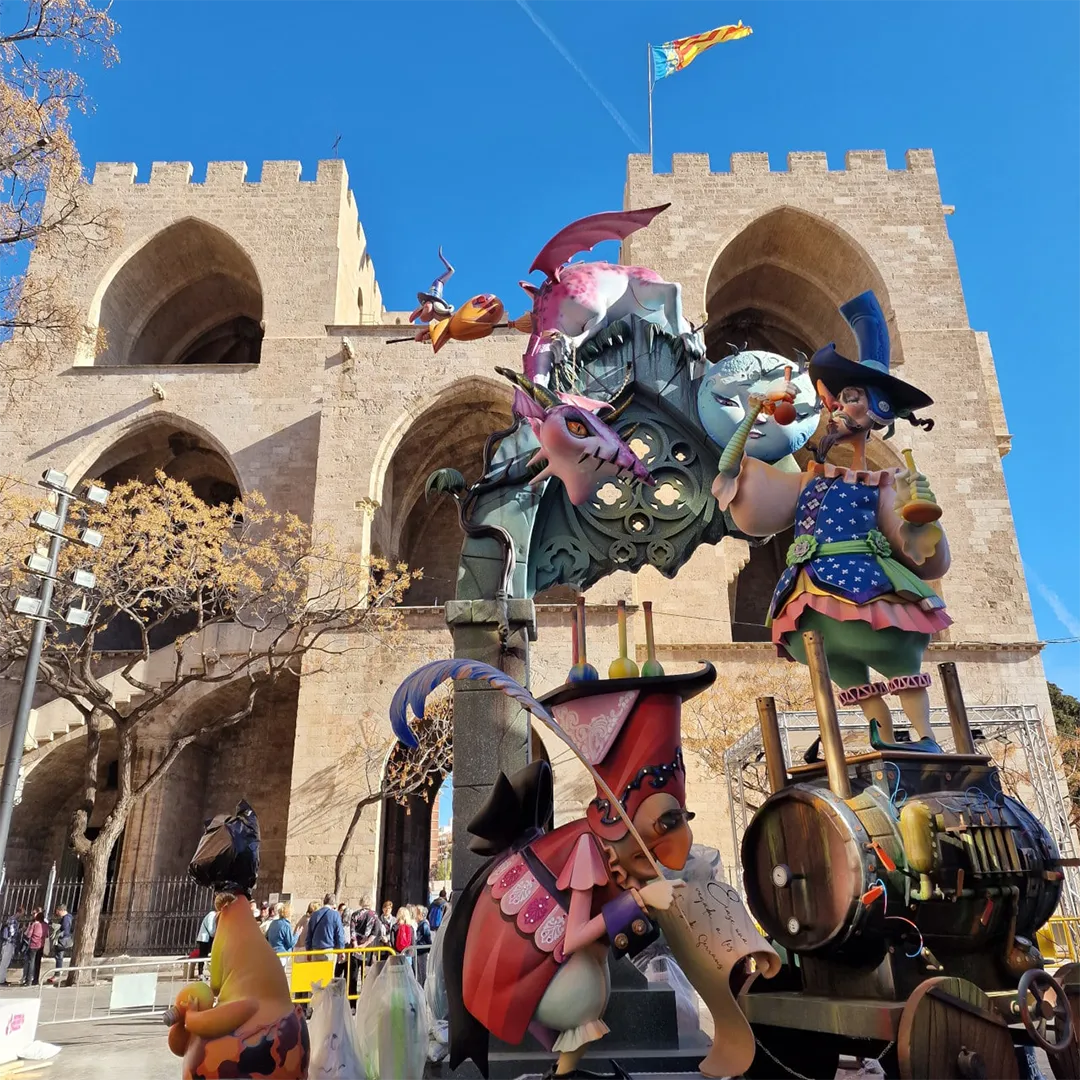


The Fallas of Valencia are one of the most spectacular festivals in the world, declared a Intangible Cultural Heritage of Humanity by UNESCO. Every March, the city is filled with art, gunpowder, music and fire in a celebration that attracts thousands of visitors. If you want to find out all about the Failures 2026, read on because here we tell you its history, traditions, the official programme and the essential plans to live them to the fullest..
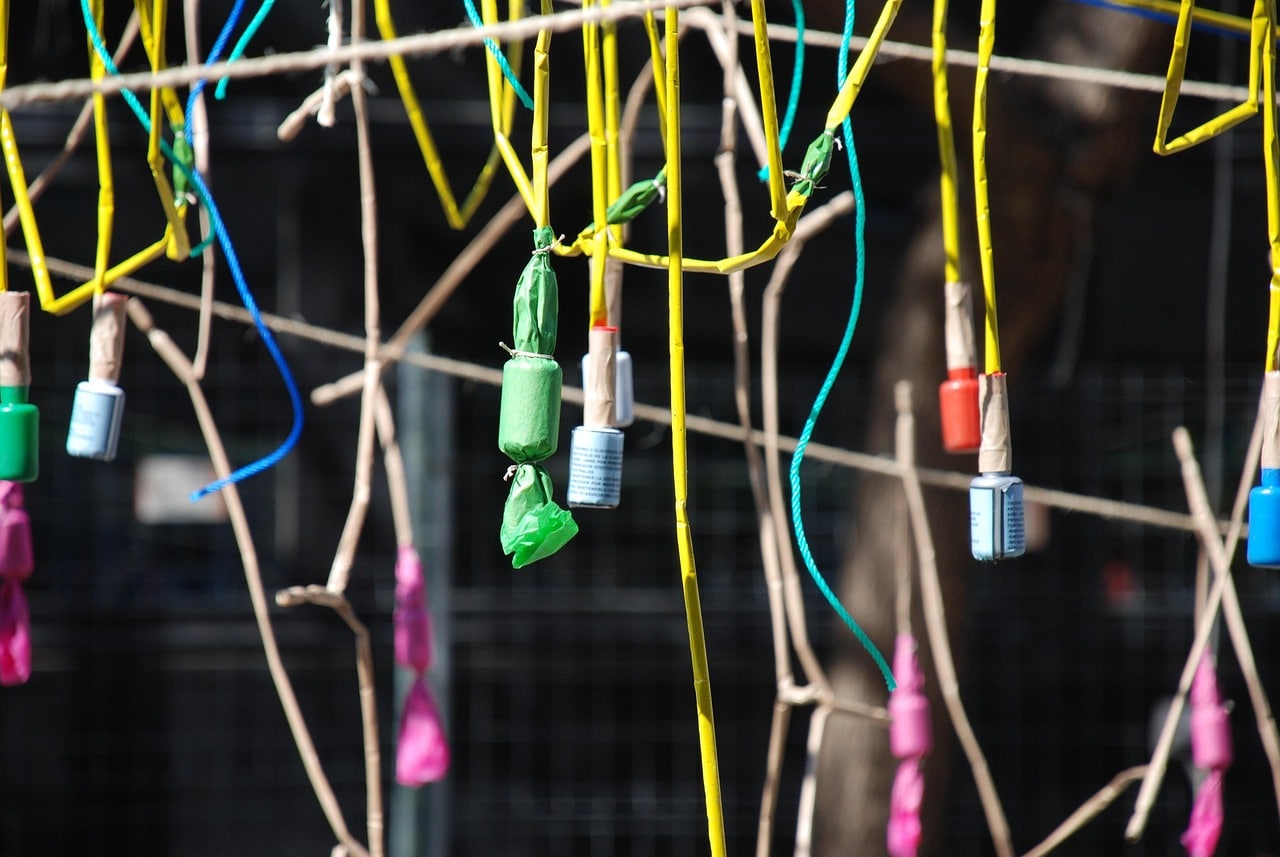
Las Fallas have their roots in an ancient tradition of Valencian carpenters, who, at the arrival of spring, burned wooden structures called «parots» to celebrate the end of winter. Over time, these «parots» evolved into the monumental figures we know today, known as «fallas».
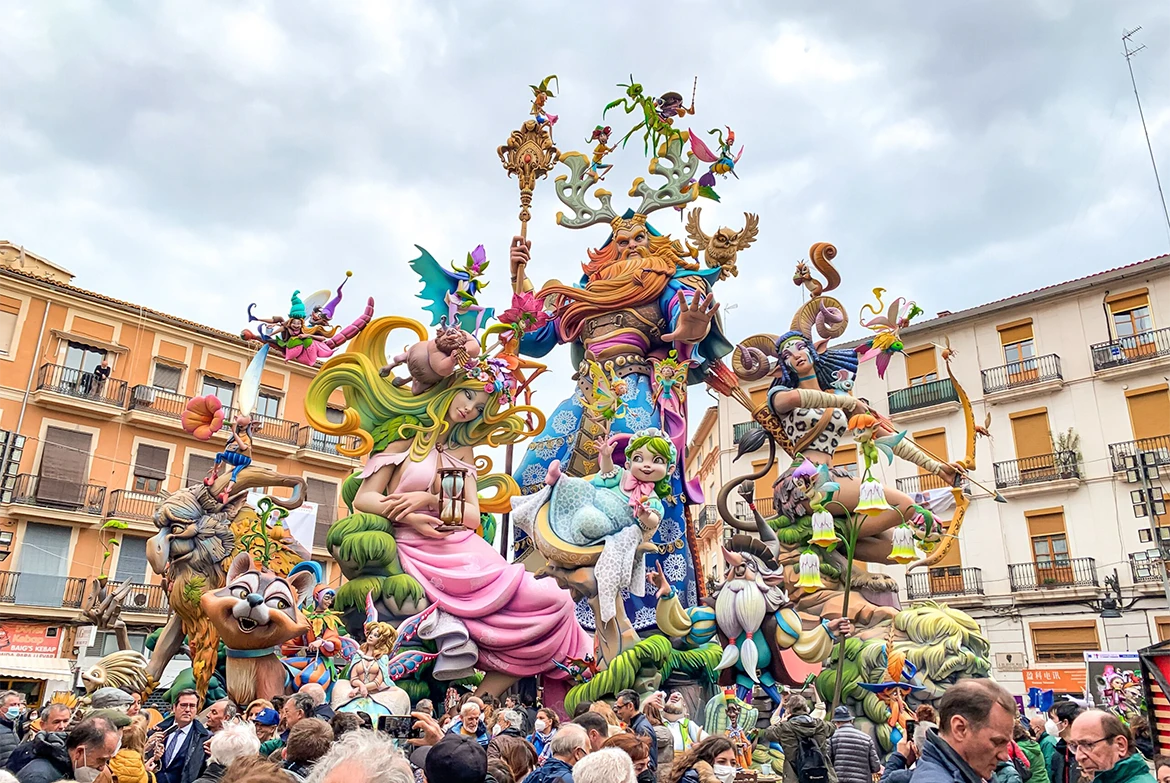
Each fault is made up of a main structure, the ninot, accompanied by various satirical scenes criticising current affairs. Creativity and humour are essential in these ephemeral works of art, which culminate in their burning on the night of the Cremà, on 19 March.
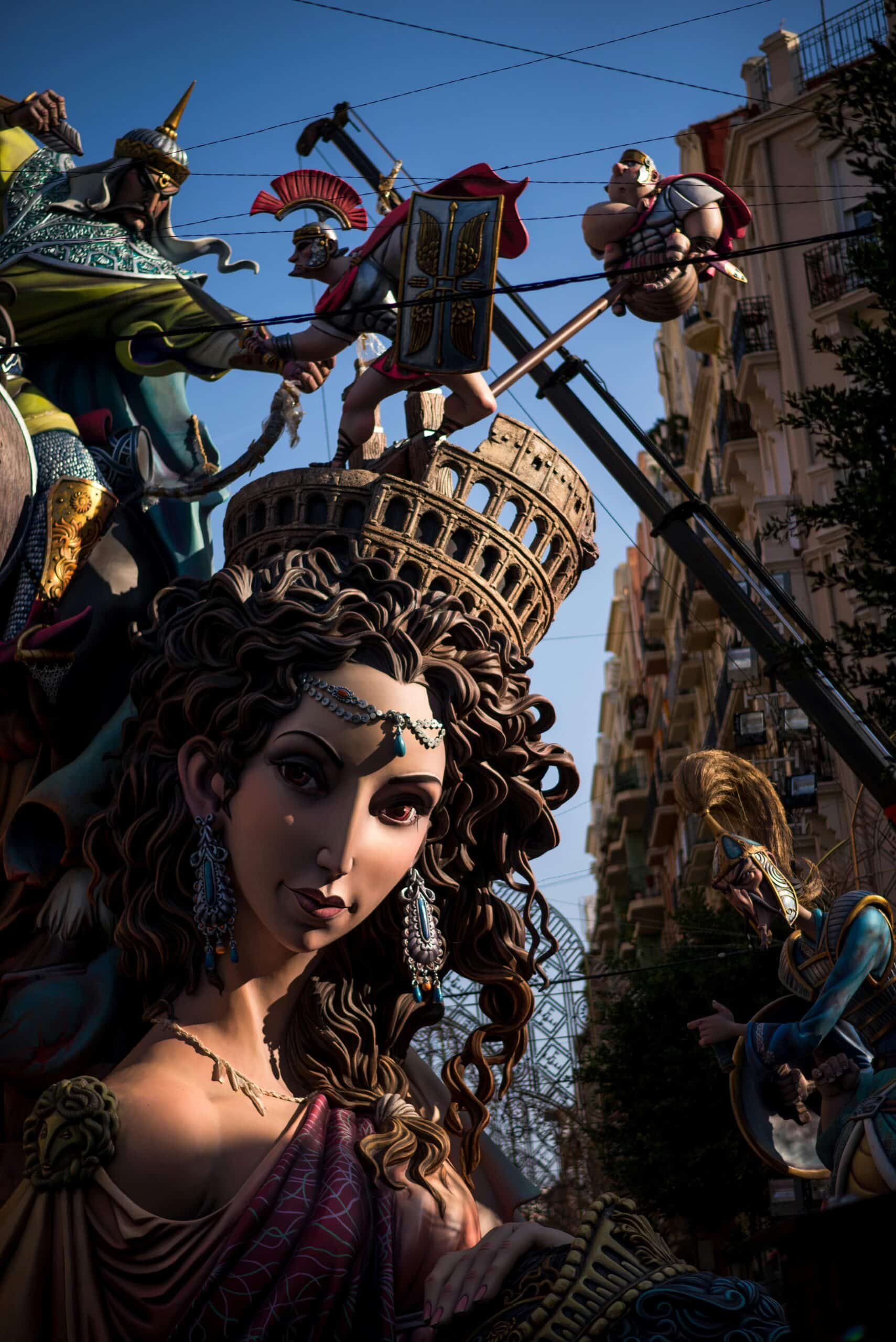
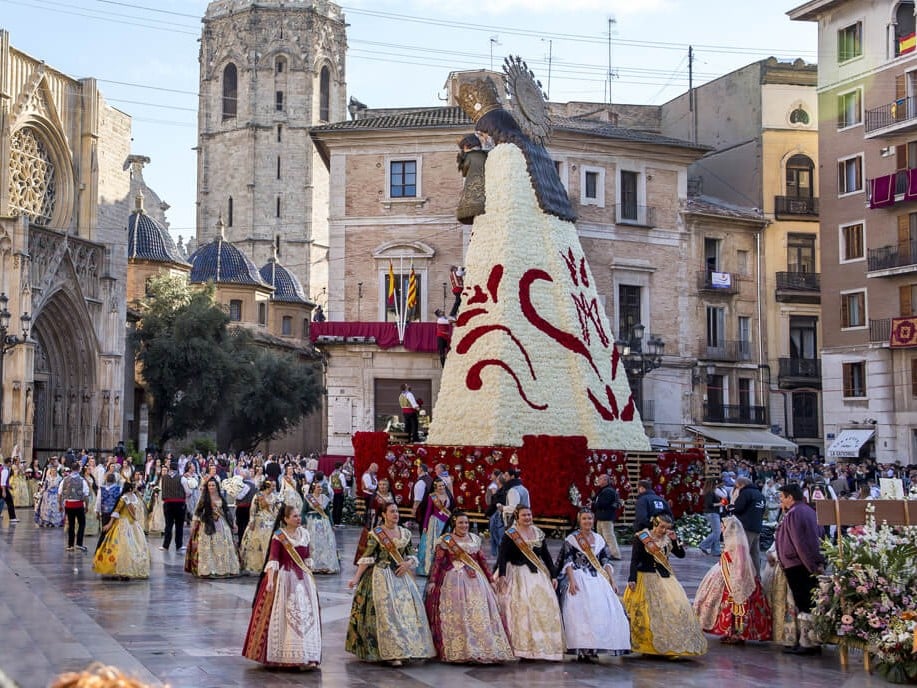
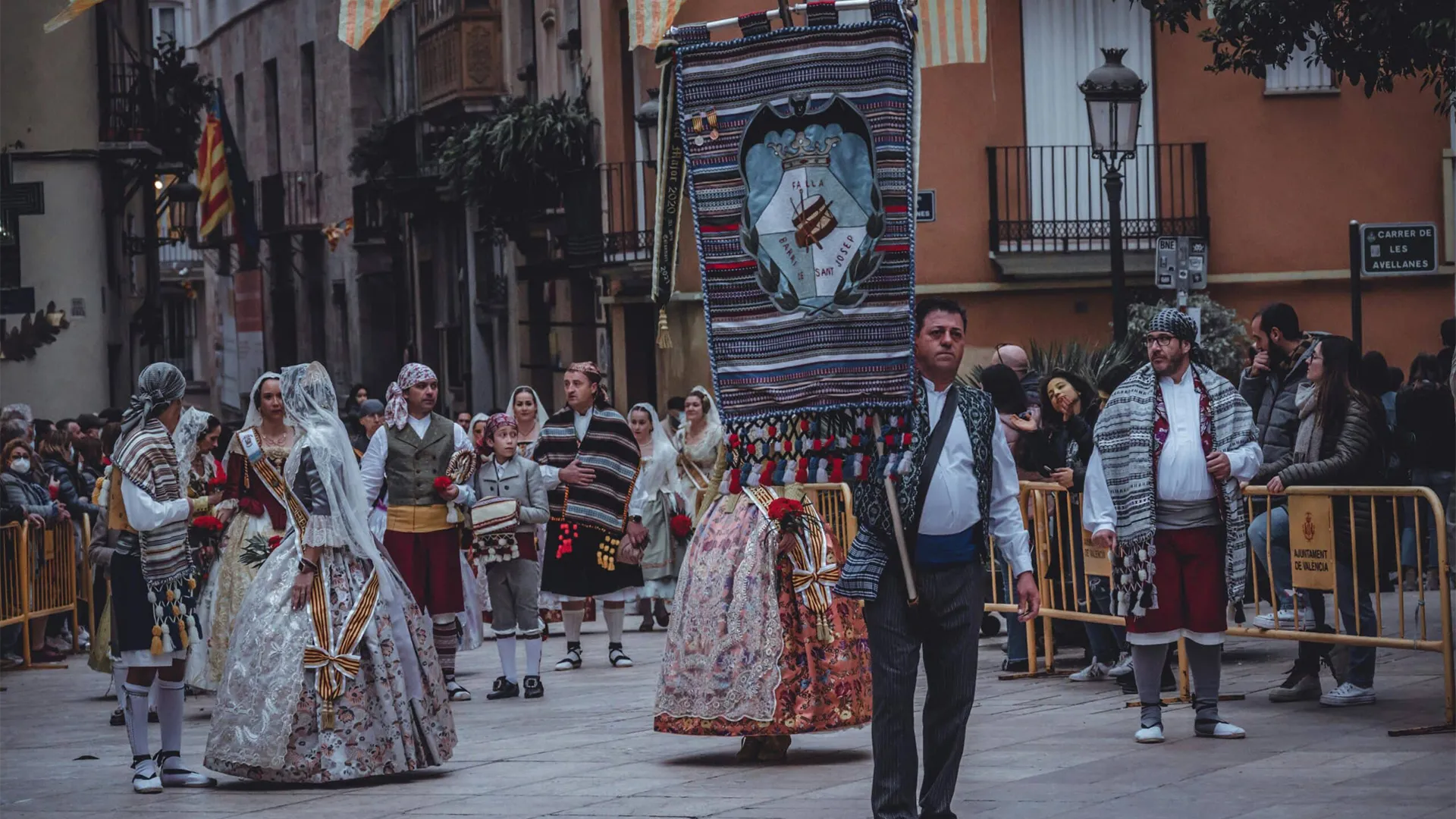
Thousands of falleros and falleras parade to the Plaza de la Virgen to offer flowers to the patron saint of Valencia. With the floral donations, a giant mantle is formed over the image of the Virgin. An emotional and very visual event.
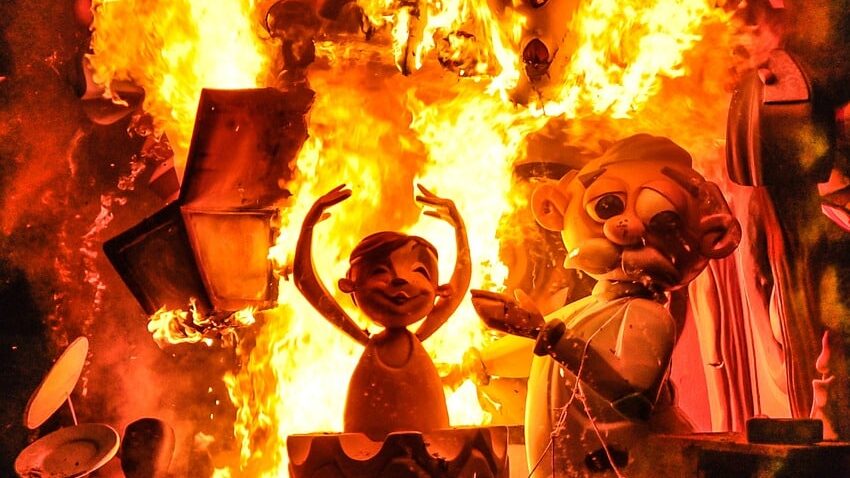
On the last day of the Fallas, the monuments burn in huge bonfires. At 22:00 the children's fallas are burnt and at midnight it is the turn of the big fallas. The fire symbolises the renewal and the end of the festival.
The Fallas not only take place in March, but also have previous events that mark the beginning of the celebrations:
-
- Mascletàs (1-19 March): Every day at 14:00 in the Town Hall Square.
-
- Ninot Exhibition (Until 15 March): Exhibition of the ninots that are candidates to be saved from the fire.
-
- La Plantà (15th March): The fallas take to the streets of Valencia.
-
- Fireworks displays (15-18 March): Every night at the Paseo de la Alameda.
-
- Nit del foc (18 March): pyrotechnics on the Monteolivete bridge
-
- Cavalcade of Fire (19 March, 19h): Parade of fire and pyrotechnics before the Cremà.
- La Cremà (19 March): Burning of the fallas throughout the city.
✔ From the City CouncilThe most iconic and the only one financed by Valencia City Council.
✔ Jerusalem ConventOne of the most awarded, with spectacular monuments every year.
✔ Falla Na JordanaKnown for its creativity and satirical messages.
✔ Cuba-Literato AzorínThe most striking feature is the impressive night-time illumination.
✔ Almirante Cadarso-Conde Altea: Always surprising with innovative designs.
✅ Arrive early for eventsEspecially the Mascletà and the Ofrenda, as the city fills up with people.
✅ Wear comfortable shoesYou will walk a lot and the streets will be crowded.
✅ Check traffic restrictionsDuring the Fallas, many streets are closed and it is better to use public transport.
✅ Book accommodation in advance: Hotels and flats fill up fast.
✅ If you don't like the noise, wear earplugs.Mascletàs can exceed 120 decibels.