



When you walk through the picturesque streets of Valencia, especially in autumn, one of the first things that catches your eye (and your nose) is the vibrant orange trees lining boulevards, squares and historic corners. But have you ever wondered why they are there, if the oranges are groceries and what do they really represent?
Let's talk about the history of Valencia's iconic street oranges, a symbol of the city that hides more than you might imagine behind its sweet aroma.
Why are there orange trees in Valencia?
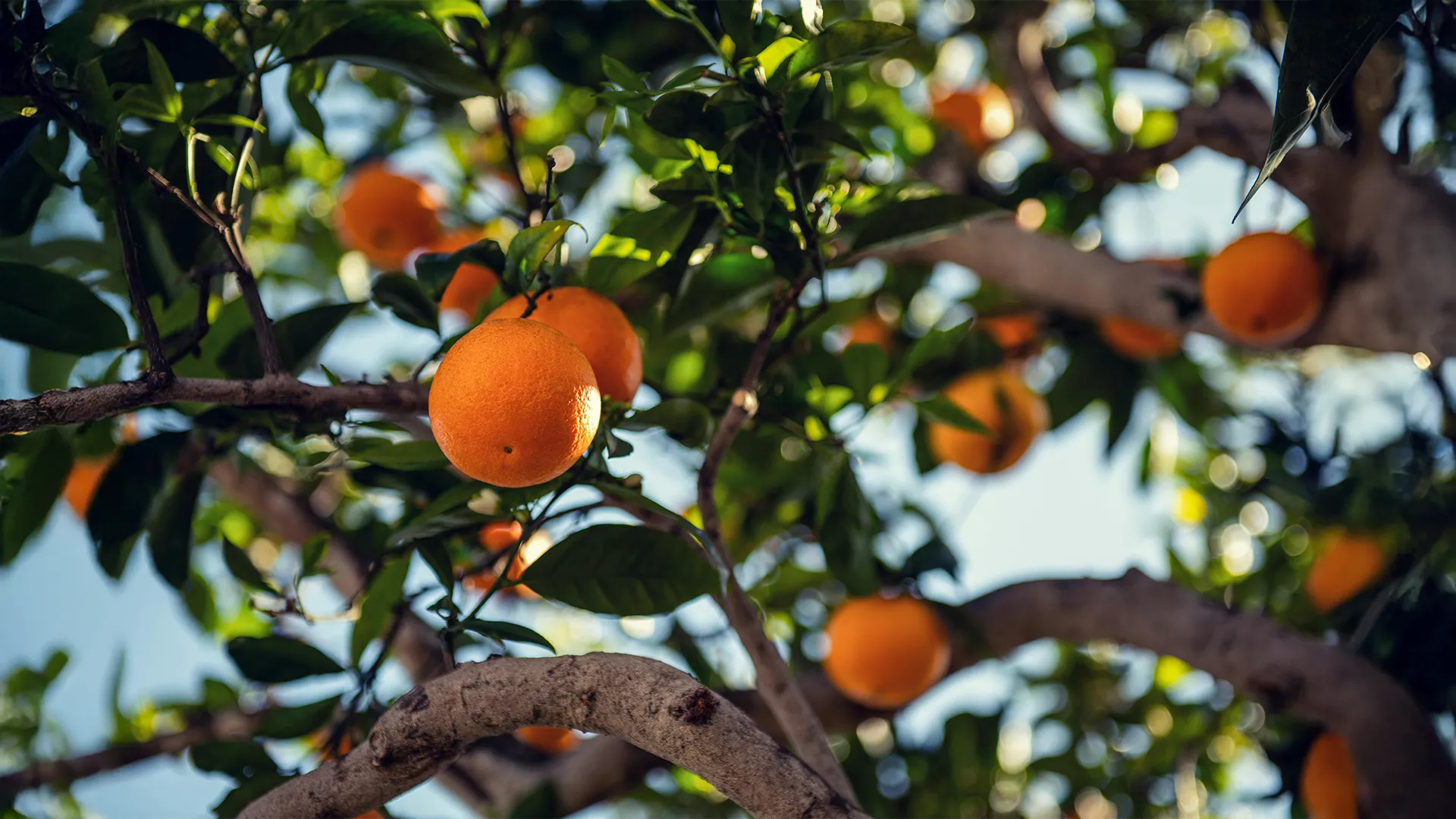
Valencia is one of the main regions citrus producers Europe, and their relationship with oranges goes back centuries. But the trees you see in the streets are not planted to harvest fruit. edible: they are bitter oranges (Citrus aurantium), planted by their decorative beauty, fragrant flowers and its connection to the local identity. These trees are part of the urban landscape thanks to their:
- Evergreen foliage: they offer greenery all year round in the city.
- Orange blossom (orange blossom): they bloom every spring with a heavenly perfume.
- Mediterranean charmA nod to the region's agricultural heritage and a love of design that integrates nature.
Are these oranges edible?
Short answer: no, at least not directly. Valencia's street oranges are extremely bitter and sour. They are not the sweet Valencian oranges used for juice or export. You cannot eat these oranges because:
- Treated with chemicalsUrban orange trees are frequently exposed to pesticides and chemical sprays, and even absorb pollution.
- They are mostly ornamentalThe city (and many cities in Spain) plants these trees because they are hardy, low maintenance, drought tolerant, evergreen and visually impressive, especially when flourish in spring.
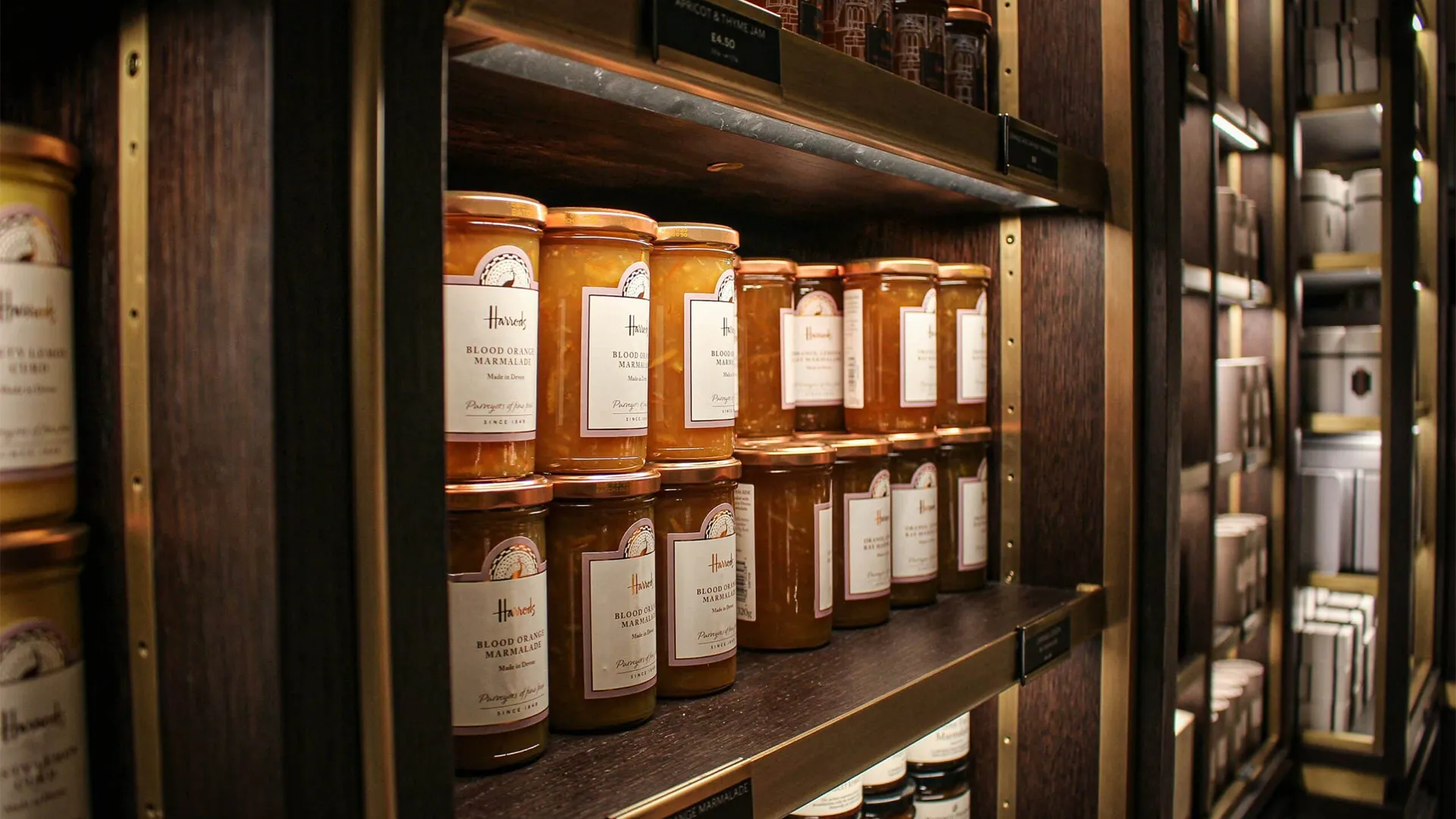
- Used in traditional products, but only after careful processing. They are harvested to make things like bitter orange marmalade, herbal liqueurs and essential oils.
A bit of history
The bitter orange tree has origins Moors in Spain. Introduced by the Arabs in the tenth century, it was originally planted in the courtyards of palaces and mosques because of its ornamental value and its soothing aroma.
Valencia, with its warm climate and profound Islamic heritage, became an ideal home. Over time, the tradition spread to public spaces, and today you will see orange trees everywhere in the city.
If you are looking to photograph or simply enjoy the citrus charm of Valencia, don't miss these places:
- Turia Gardens
- Plaza de la Virgen
- Jardines del Real (Viveros)
- The Silk Exchange
- The university area
Orange blossom traditions
Orange blossom is not only a scent, it is a symbol. In the Valencian culture, the flower represents purity, love and new beginnings. This is why it is commonly used in:
- Bridal bouquets and wedding ceremonies
- Holy Week processions, especially decorations for pasos
- Local perfumes and soaps sold in traditional markets
Did you know that...?
- Valencia has more than 16,000 orange trees in its urban layout.
- The city spends thousands of euros every year to clean up fallen fruit from pavements; it can be surprisingly slippery!
- Some municipalities have started to donate the bitter oranges to companies producing organic jams and cleaning products.
Useful tip for visitors
When is the best time to see orange blossom? Late March to mid-April. You will see the city in full perfume, just before the oranges start to form. Join our excursion to the orange orchard, and discover the true paradise of the Valencian orange. Accompany it with our Las Fallas festival tour in March and experience the Valencian experience complete.
Valencia is a city where nature meets history at every turn, and its orange trees are the perfect example. They don't just decorate the streets, they tell a story of culture, climate and centuries-old traditions.
Enjoy the sights and smells! Check out more of our tours and excursions: https://www.valenciaandgo.com/tours
Discover all the plans in and around the city on our social networks! @valenciaandgo