

Skip to main content Scroll Top

10 curiosities about Valencia that you (probably) didn't know about

When we talk about Valencia, many people automatically think of beaches, paella, faults and the City of Arts and Sciences. But this Mediterranean city hides much more than tourist postcards: it is full of real stories, unexpected corners and details that even many Valencians are unaware of.

From record-breaking buildings to century-old institutions that are still active today, we tell you about 10 curiosities that will make you look at Valencia with different eyes.

1. Valencia stands for courage

Few people know that the original name of Valencia comes from Latin Valentia Edetanorum, which means “courage” or “bravery”. The city was founded in 138 BC. by veteran Roman soldiers, in a fertile area next to the river Turia. These Roman roots are still present in its urban layout and in some of the archaeological remains visible today in the Almoina Archaeological Centre.

👉 Bonus factYou can visit part of these remains for free on Sundays.


2. Valencia was the capital of Spain

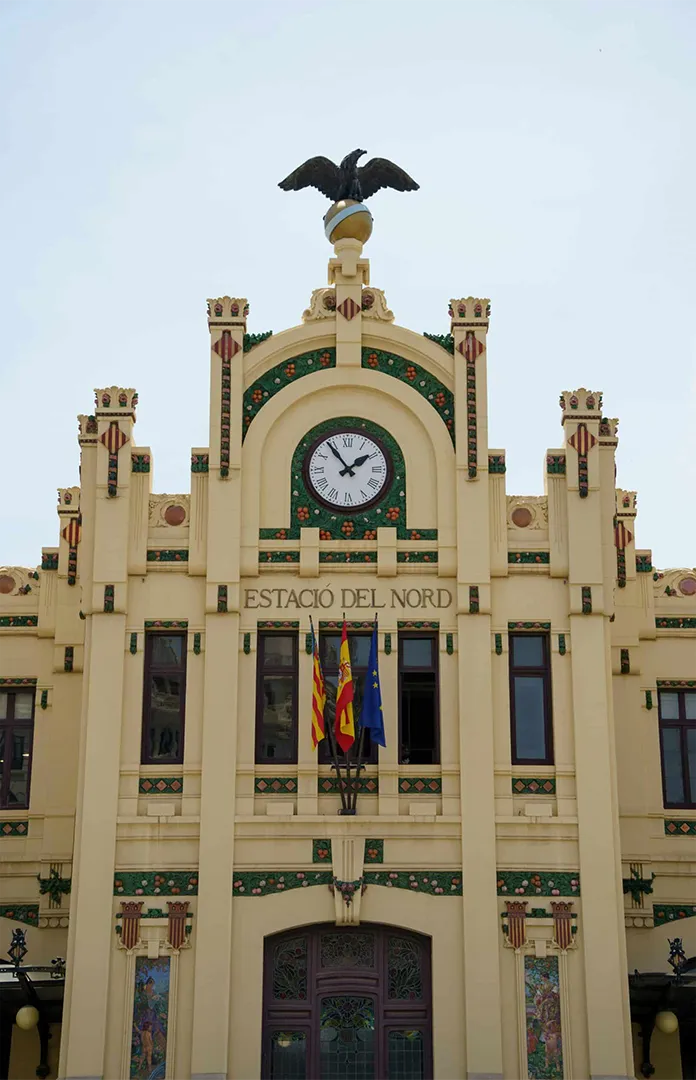
During the Spanish Civil War, Between 1936 and 1937, Valencia was the provisional capital of the country. Madrid was under constant threat and the city offered greater security. Ministerial offices and diplomatic headquarters were set up here, making Valencia one of the most active political and cultural centres of the time.

👉 Today, some of these buildings are still in use, such as the North Station or the Town Hall.
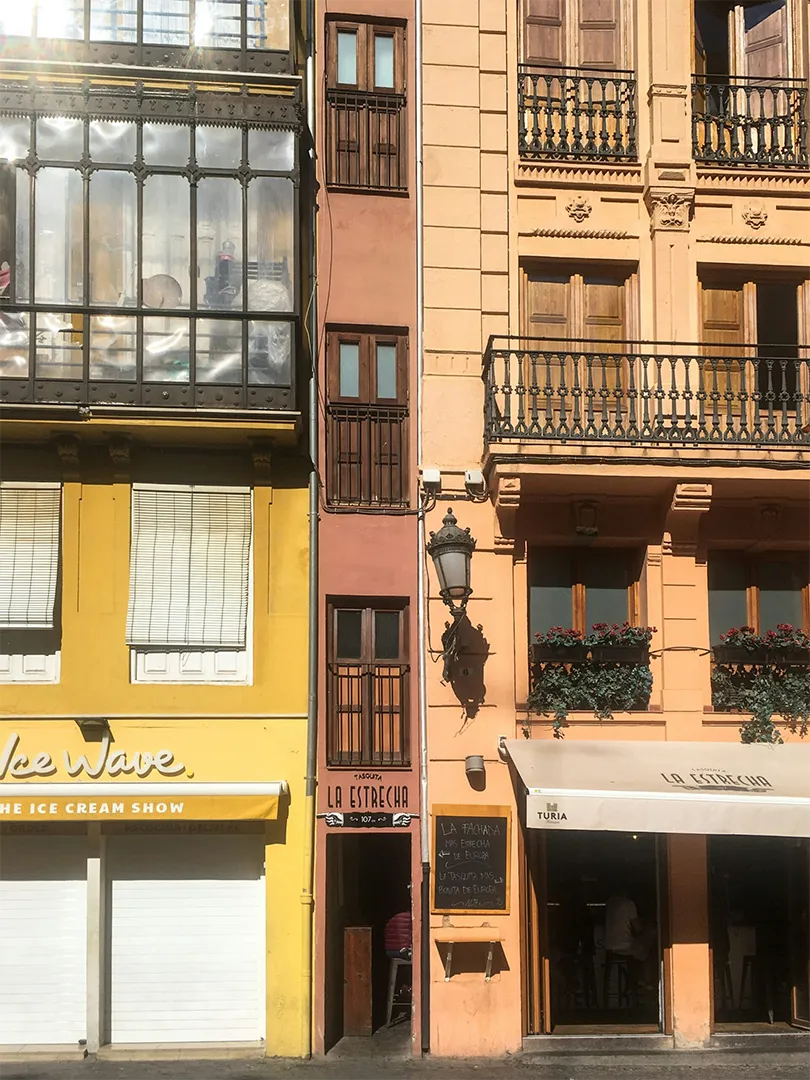
3. The narrowest building in Europe is here

In the heart of the historic centre, in the Plaza Lope de Vega, you will find “La Estrecha”: a facade of only 107 centimetres It is the narrowest building in Europe. Formerly a dwelling, it is now part of a hotel and restaurant.

👉 A perfect place to take a curious photo and understand what the popular architecture of the centre used to be like.
4. A river turned into the largest park in the city

The Turia Garden was not always a park. The river Turia used to flow through it, but it was diverted after a great flood in 1957. Instead of turning it into a motorway, the city decided to create an enormous green lung of more than 10 km, today one of the largest urban parks in Spain.

You can cycle, walk or join one of our guided tours along the waterway.

5. The world's oldest water court

Every Thursday at noon, in front of the Cathedral's Apostle's door, a meeting takes place the Water Tribunal. This institution, recognised by UNESCO, has been functioning for more than 1,000 years to resolve irrigation disputes between farmers.

👉 There is no paperwork, no lawyers, no delays. Decisions are oral and firm, just like in the Middle Ages.

6. La Lonja de la Seda: World Heritage Site

Built between 1482 and 1533, the Silk Exchange represents the commercial power that Valencia had for centuries. In its majestic Sala de Contratación, silk deals from all over the world were concluded. Today it is one of the most impressive civil Gothic buildings in Europe and a UNESCO World Heritage Site.
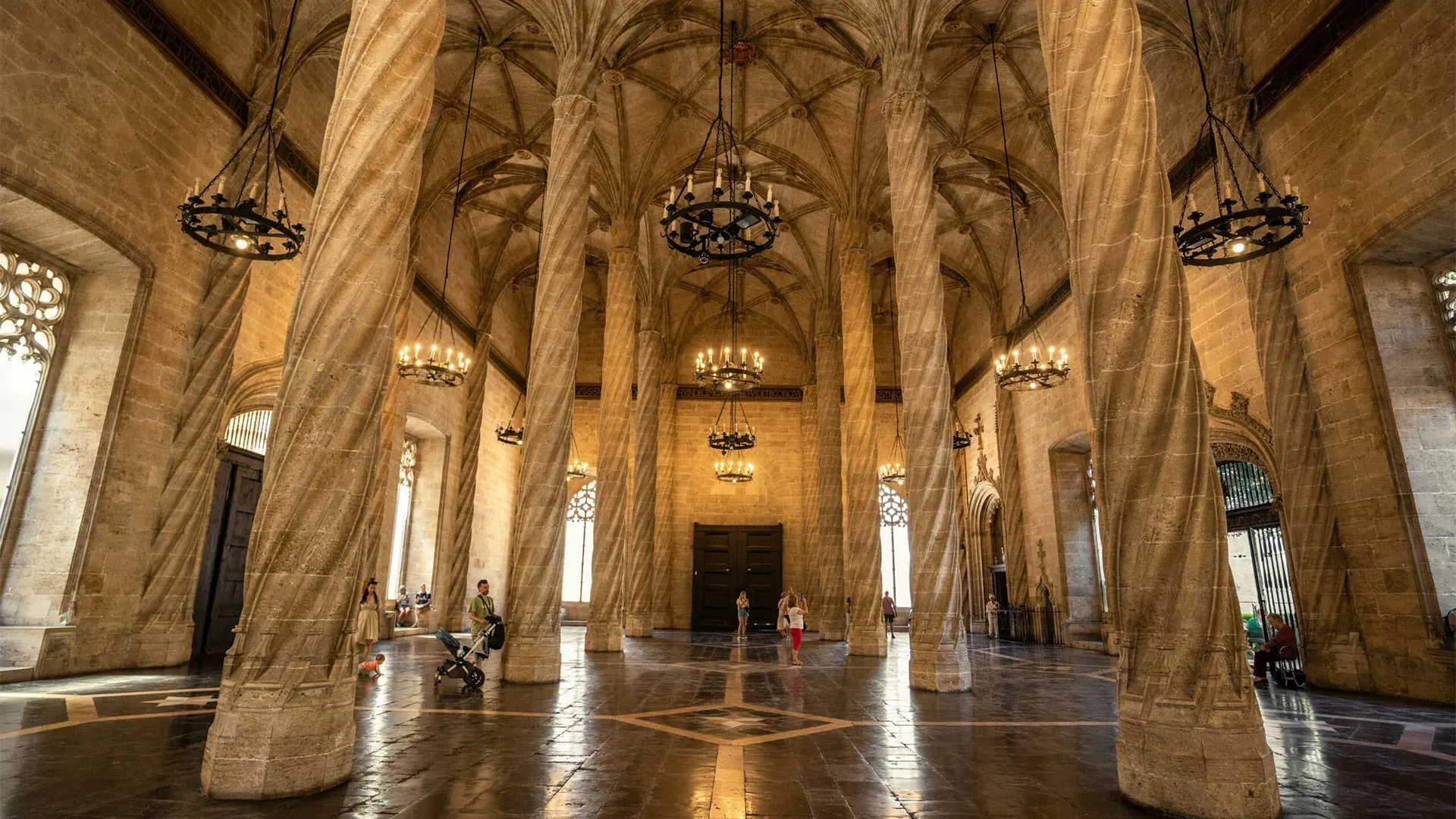
👉 Look at the spiral columns: they symbolise clean and honest trade.

7. The Holy Chalice is in the cathedral of Valencia.

Yes, you read that right. The Cathedral of Valencia holds the Holy Chalice, the cup that Jesus Christ is said to have used at the Last Supper. Although its authenticity is not 100% verifiable, it has been recognised by several popes and is a key piece of the city's religious history.

👉 You can see it in the Chapel of the Holy Chalice inside the Cathedral.

8. The Agua de Valencia: a unique cocktail

It was born in 1959 in the Café Madrid, when a group of friends asked for “something different” and the painter Constante Gil mixed cava, orange juice, vodka and gin. This is how the Water from Valencia, today one of the most emblematic cocktails in the city.
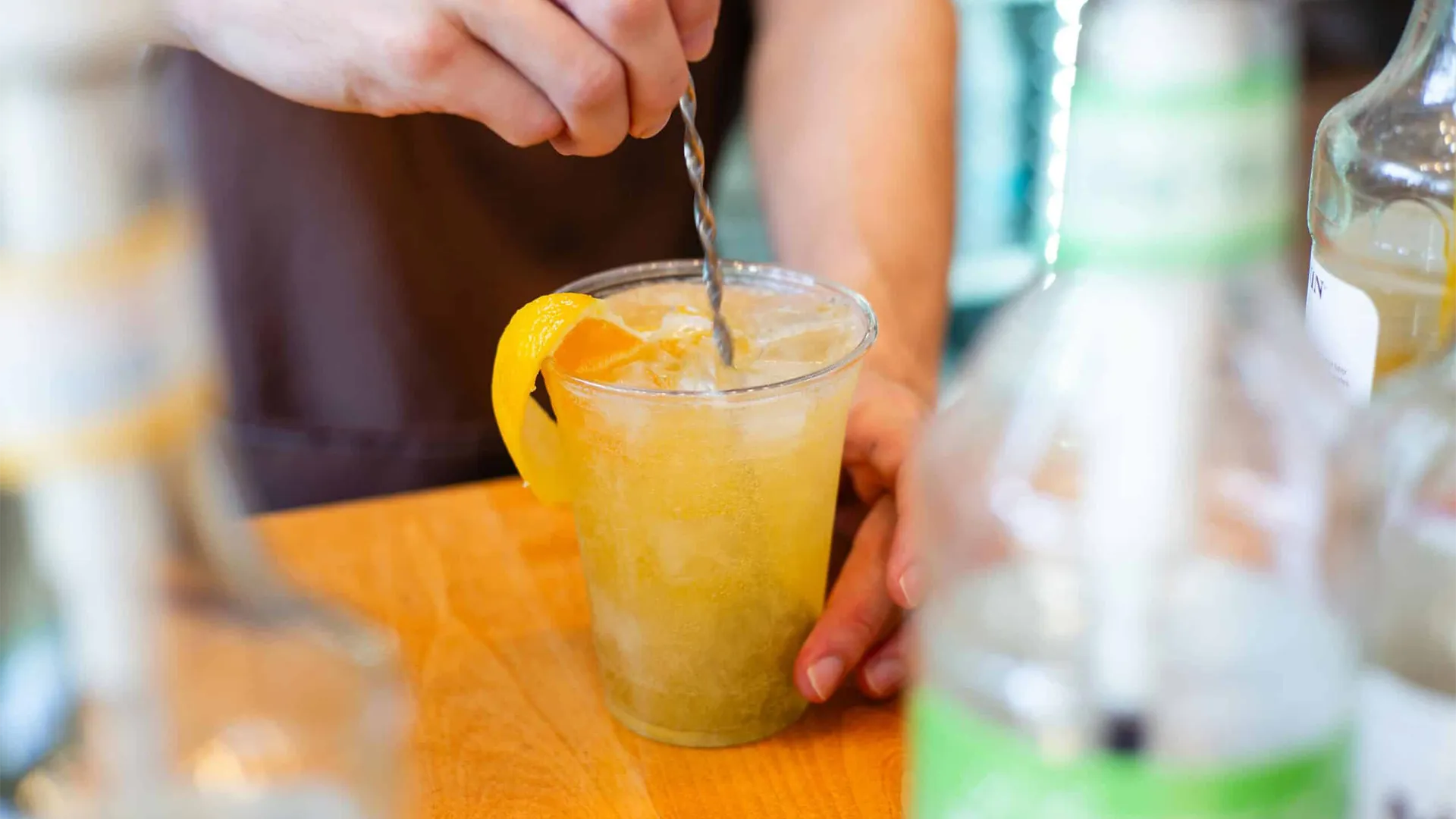
👉 Local tip: we recommend the Café de las Horas to try it out.

9. Valencia has more than 1,100 traffic lights.

Although it may seem an anecdotal fact, Valencia has more than 1,100 traffic light junctions, a very high figure for its population. This reflects its urban structure, designed for pedestrians and bicycles.

👉 That's why it's one of the most convenient cities in Europe to get around on foot!


10. Little-known museums with hidden gems

Beyond the City of Arts and Sciences, Valencia has some real hidden gems: the Museum of Natural Sciences in the Jardines del Real, the Prehistoric Museum with unique pieces, or the Almoina Museum, which hides Roman remains underground.

👉 Perfect to visit if you are looking for different and quiet plans.

Explore these and more secrets with us

If you are passionate about travelling from a different perspective, you can combine these curiosities with our tours and experiences:

And don't forget to follow us on Instagram and TikTok to discover more curiosities.


Add Comment